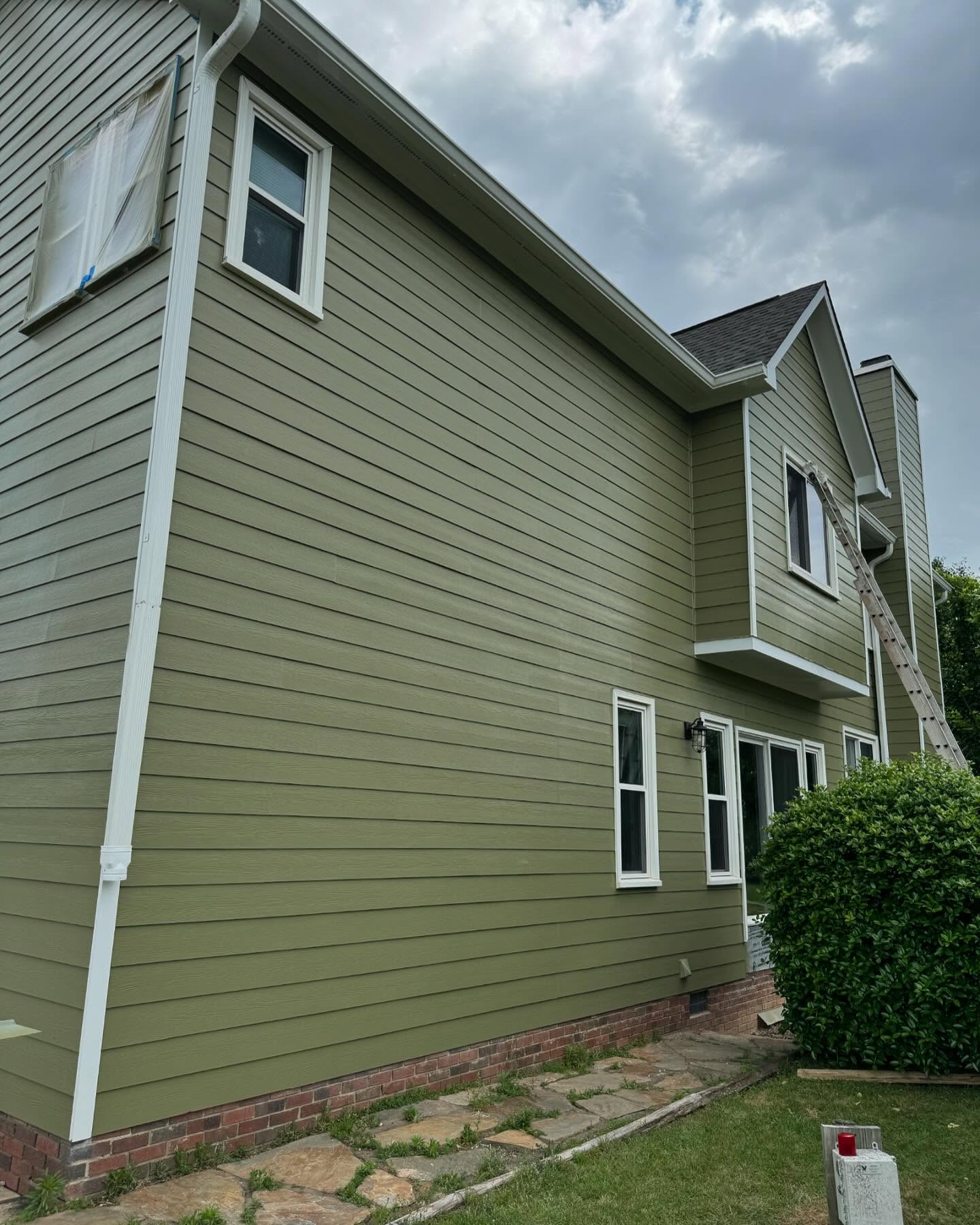
Achieving Visual Delight: Expert Tips for Harmonizing Paint Colors with Natural Lighting Jul 05, 2026
Choosing the right paint color can be a daunting task, especially when natural light is involved. Natural lighting can change the appearance of paint colors throughout the day. For example, a room with ample sunlight will showcase colors differently than one with limited exposure. As such, analyzing the direction and intensity of your light source is the first step in achieving a harmonious color scheme.
Rooms facing north tend to have cooler, blue-toned natural light, which can make colors appear muted. In such spaces, warmer shades like soft yellows or blush tones can counterbalance the coolness, creating a more inviting atmosphere. Conversely, south-facing rooms are bathed in warm, bright light, which makes colors feel more intense. Here, consider using cooler shades or pastel colors to enhance comfort and cohesion.
East-facing rooms capture vibrant morning sunlight, which often casts a golden tone. Mid-tone colors like greens or aubergine can neutralize this effect. On the other hand, west-facing rooms benefit from warm afternoon light, making them excellent candidates for deeper, warmer shades like terracotta or dusty pinks. Understanding these light impacts helps in choosing colors that not only complement each other but also harmonize with the natural lighting.
Beyond understanding light exposure, sampling is a critical phase. Test paint samples on your walls to observe how they change from morning to night. This practical test can provide invaluable insights into the color's behavior in relation to your home’s lighting conditions.
Another tip is to examine the finish of the paint. Matte finishes tend to absorb light, making colors appear softer, while glossy finishes can reflect light, adding a sense of vibrancy. For rooms is dim lighting, using satin or semi-gloss paints can increase the light reflectance, brightening the space.
Similarly, consider the role of trim and ceiling colors, as these can significantly affect your perception of space and light. Using a lighter color for ceilings can create the illusion of height and openness, especially effective in rooms with low ceilings. Meanwhile, contrasting trim colors can add a sense of dimension, enhancing the overall aesthetic.
Finally, don’t overlook the interplay between artificial lighting and your paint choices. Different types of bulbs – incandescent, LED, or fluorescent – cast distinct tones and can transform colors once the sun sets. Opt for bulbs that complement and enhance your chosen color palette, ensuring a seamless transition from day to night.
The art of harmonizing paint colors with natural lighting requires a blend of creativity and scientific understanding. At Premier Painting & Drywall Contractors LLC, our professionals are eager to assist you in realizing your vision with precision and elegance. By following these expert tips, you'll not only create a visually delightful living environment but also maximize the aesthetic potential of every room in your home. Remember, a thoughtfully chosen color scheme, when paired with the right lighting, can turn any space from ordinary to extraordinary.
/filters:no_upscale()/filters:format(webp)/media/1bff6b7f-1e01-4d32-a399-426571bc02c2.jpeg)
/filters:no_upscale()/filters:format(webp)/media/66dbe569-d1d8-450e-93af-bf5b1a4144af.jpeg)